
Why Educational Stability Matters
Education and stability go hand in hand. Teachers and faculty create routines to guide us through our learning journey. This structure allows us to focus on learning, growing, and socializing.
Stability extends to before and after class, as well. We thrive with a support system. It’s comforting knowing there is someone in the stands to cheer us on at ball games or having someone to prepare our lunch boxes just the way we like.

So what happens when this structure is disrupted?
For children in foster care, that is a question they may face. School should be a place to build friendships, develop relationships with educators, and experience a sense of normalcy.
When these disruptions occur, children have to spend more time and energy adjusting to change instead of learning and growing.
Therefore, it is important to understand why educational stability is important and how we can promote a successful educational environment for children in foster care.
What Does Educational Instability Look Like?
To have a clear picture of educational stability, we have to look at the instability that may be present in a student’s life.
For some students, instability is present within the classroom. Having to deal with family separation, court proceedings, or other unforeseen circumstances is taxing on even the brightest minds. The weight of emotional stress and trauma can directly affect performance and concentration in classes.
Health appointments, family visits, court dates, and transportation hurdles are common reasons for children in foster care to be late for class or miss school days entirely.
Eventually, these missed days add up. Over 1/3 of children in foster care are considered chronically absent (10% or more school days missed). Imagine the constant cycle of playing catch-up with a train that can’t slow down. The school curriculum is that train, and the students can only run so fast to catch up.

One of the most evident forms of academic instability is seen through placement shifts. For children in foster care, they are more than likely to experience multiple home transfers during their educational journey.
These transfers can push students out of their current school district, which often results in needing to start fresh at a new school. Each placement change can result in 4-6 months of lost academic progress.
With each transfer, a student is losing any potential connections that had with an impactful educator or a close friend. These students are faced with the endless routine of rebuilding relationships and routines.
There are also logistical nightmares that come with school transfers. Oftentimes, there are delays in transferring transcripts or vital information on a student. Additionally, there could be differences in school curriculums, which often leads to learning gaps for the student. Over time, these issues compound and make the transition to higher grade levels more difficult.
Repeated disruptions can make it harder for a kid to develop a sense of belonging and familiarity with peers and teachers. Limiting the amount of transfers allows for greater opportunities to sustain connections instead of always starting over.
The Positive Impact of Educational Stability
In education, consistency is key. Academic stability helps students focus on learning. There will always be factors that are outside of our control, but it is important to provide students with a sense of routine. Continuity in the classroom can provide deeper connections to friends, teachers, and schoolwork.
That comfort of educational stability can begin at home. A kid’s academic journey shouldn’t be tackled alone. It’s essential at any age to have someone to rely on. Someone to help with homework. Someone who communicates with teachers. Someone ready to greet them with open arms after the bell.
These small practices go a long way. And foster parenting isn’t about having all the answers. It’s about being there. When a child knows someone is in their corner, the world around them doesn’t feel as big and scary.
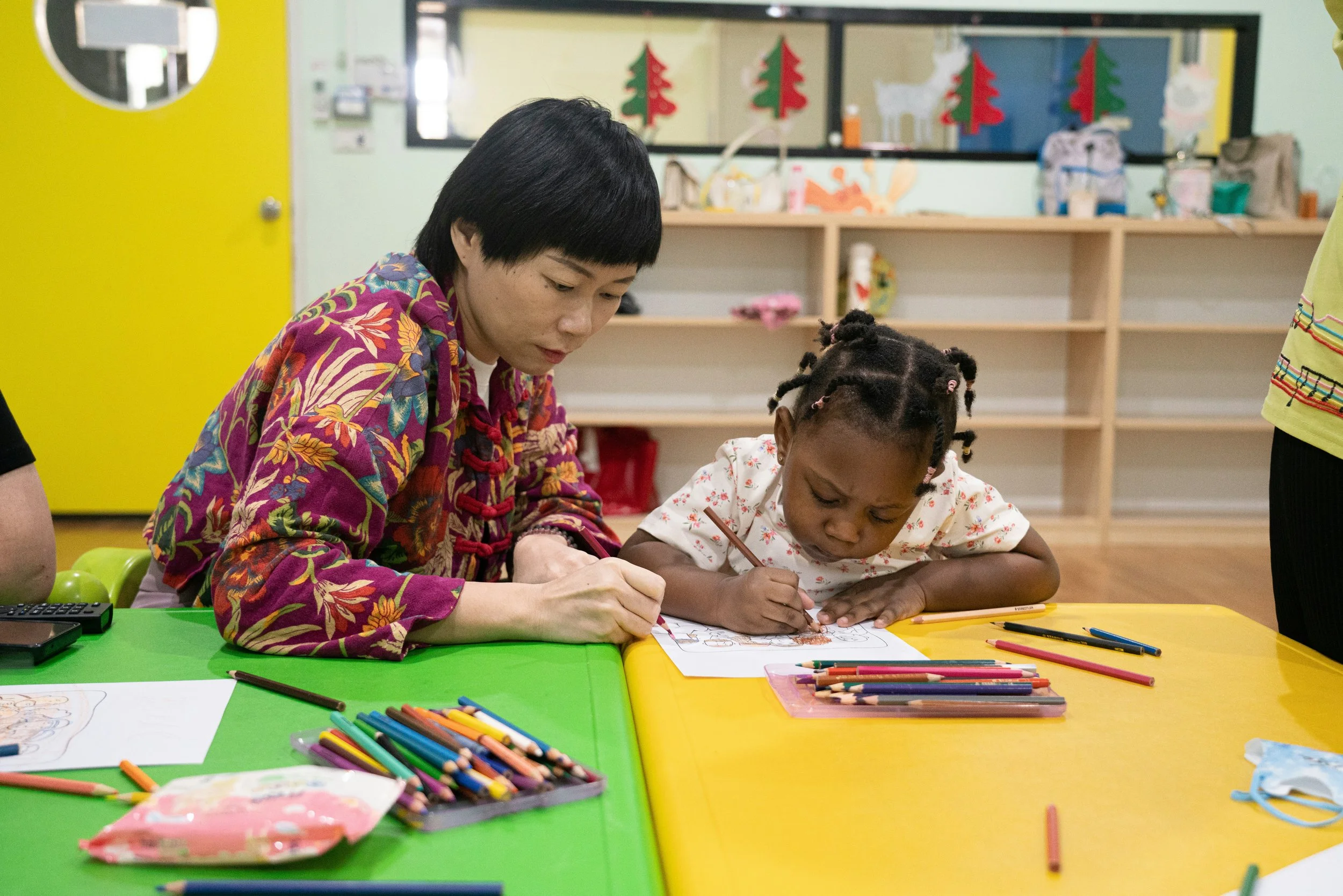
Foster parents can have a direct impact on a child’s education. They support kids through the easy days and the hard days. They are the ones who advocate for school proximity, transportation, placement stability, academic records, and communication.
The role of a foster parent is important and challenging. It’s a commitment to adding more to the family. It’s a sacrifice for a cause greater than oneself.
As the school year kicks off, we invite you to learn more about becoming a foster parent and how you can provide the educational stability foster children deserve.