
Learning as You Go: The Early Days of Foster Parenting
When you welcome a foster child into your family, there’s a lot to take in.
Here are a few essential practices to keep in mind as you start off on your foster parenting journey.
1. Start with Safety
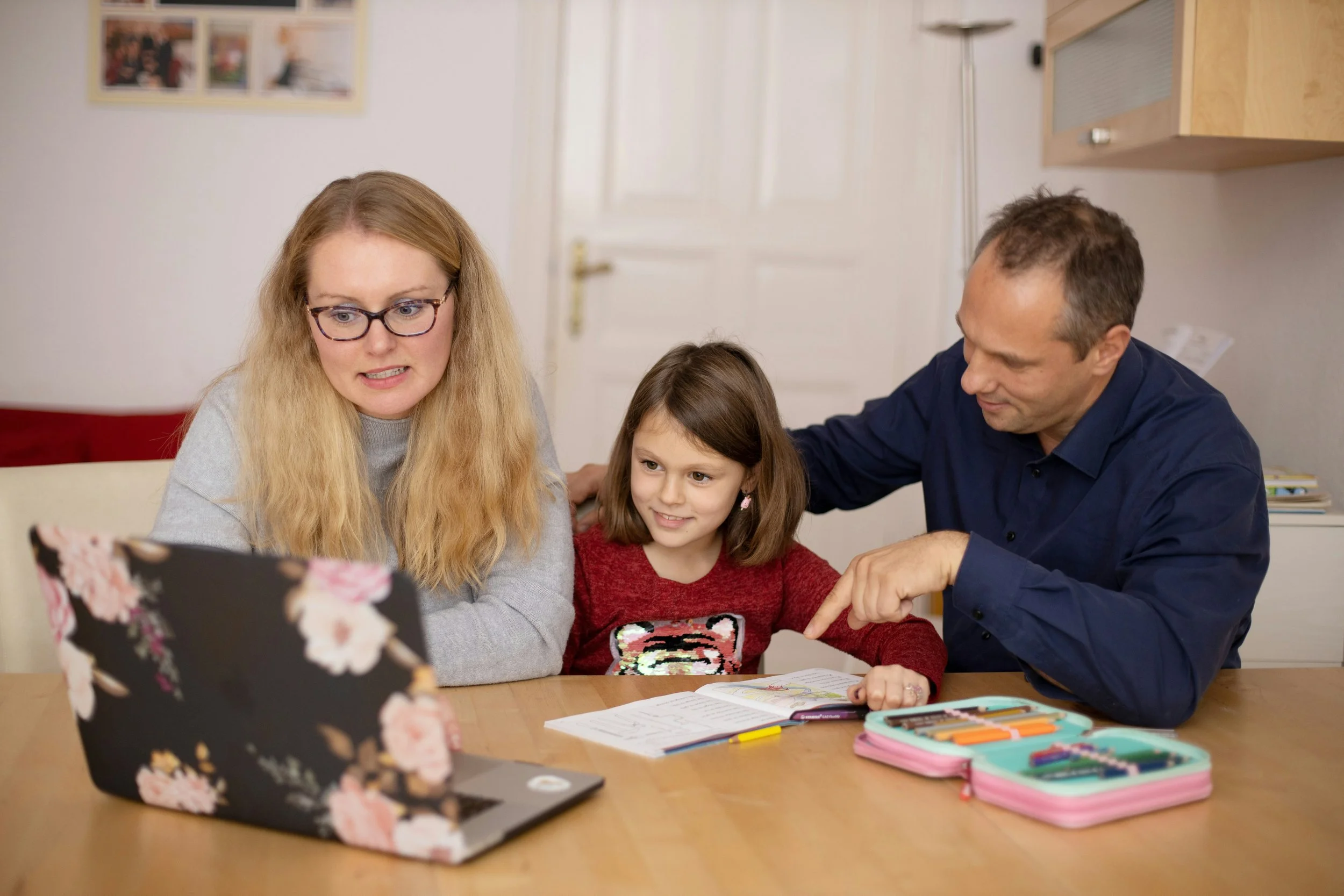
A new environment for your foster child can feel daunting. That’s why it’s important to start with the basics. Having a comfortable space to sleep and a place for their belongings is a great first step.
Showing your kid around the house and explaining routines can also help their new world seem less overwhelming.
Additionally, letting them know who they can come to when they have a question or a need. Establishing that relationship early is a great way to create a sense of comfort in your new family dynamic.
And, most importantly, give your child room to take everything in.
Some kids may want to talk right away. Others might be more hesitant. They might seem excited to explore their new surroundings one moment, and overwhelmed the next. Their reactions may change as they process everything happening around them.
There’s no perfect science in creating a sense of security. It starts with making sure a child knows they have a place where they are cared for.
2. Continue with curiousity
As you settle into your new life, you’ll start discovering who your foster child is beyond the circumstances that brought them into care.
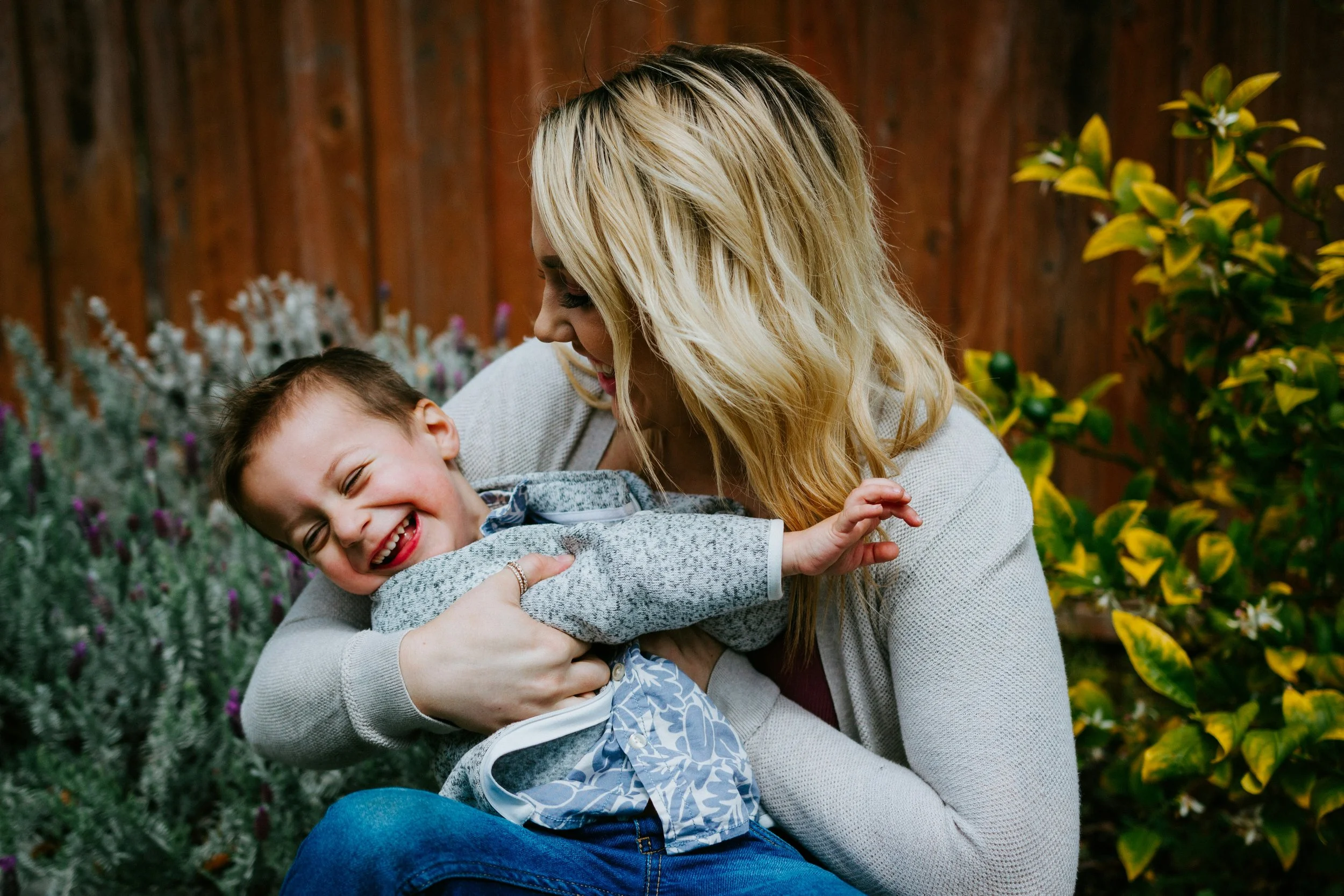
You might find out what music they like while driving to school. You might discover what their comfort meal is. You might learn about a hobby or interest that excites them.
These little moments go a long way in developing a genuine connection with your foster child.
Long term connection likely won’t happen with one, big, breakthrough moment. This type of relationship grows with repeated, everyday interactions.
It may take time before your foster child is ready to open up to you. That can be difficult when you genuinely want to help, but patience matters.
Trust isn’t something you can demand or schedule. It develops as a child has more experiences with you and begins to see that you mean what you say.
The goal isn’t to force a relationship.
It’s to create opportunities for one.

3. Keep Showing Up
Foster parenting isn’t always going to be a linear progression of progress.
Whether it’s a difficult morning, an abrupt change in plans, or a tough conversation, there may be times when you wish you had the perfect answer.
But, there’s no such thing as the perfect answer. The best solution you can offer is your continued presence.
A child doesn’t need you to anticipate every challenge or handle every situation perfectly. They need opportunities to experience reliability.
You’ll also have opportunities to adjust your approach. Something that worked last week may not work today. Your child may communicate a need you didn’t recognize at first. You may have to rethink a routine or ask someone else for guidance.
That’s all part of the process.
Foster parenting is not about getting everything right. It’s about remaining engaged, making adjustments when necessary, and continuing to care for your family.
4. Give Yourself Permission to Learn
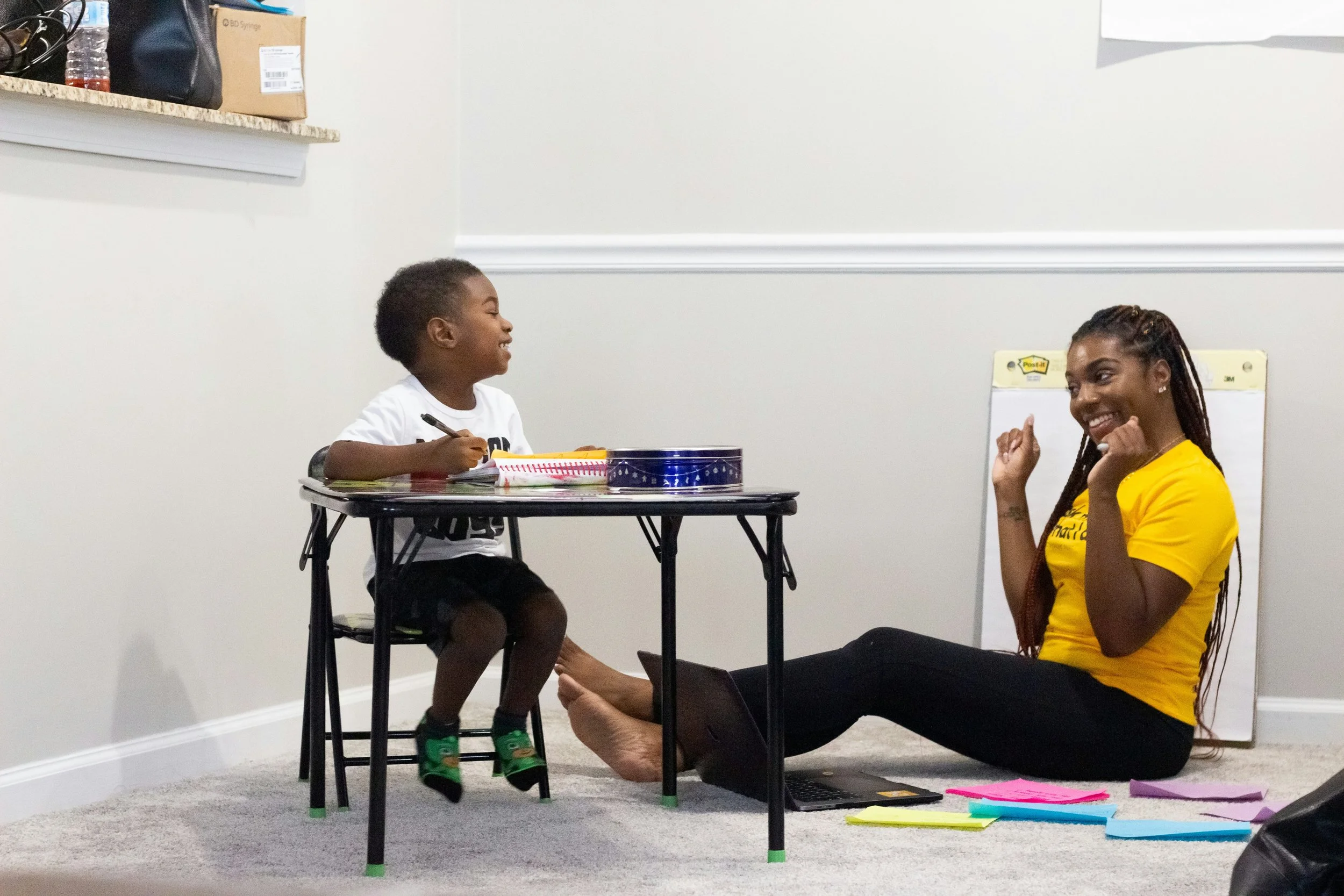
There’s always preparation that you can do before becoming a foster parent. But, no amount of prep can completely help you with some of the unpredictable elements of fostering.
Every child is different and every placement has its own unique circumstance.
You might have questions you didn’t expect. And you encounter situations that you didn’t anticipate. You may even have days that leave you wondering what you could have done differently.
That doesn’t mean you’re failing.
It means you’re learning.

The early stages of foster parenting are an opportunity to discover what your child needs, figure out what works for your family, and gradually establish a relationship built on trust.
There’s no perfect lesson plan. And you don’t need one.
Offering a welcoming home, an open mind, and a patient presence is a great way to start off your fostering journey.
Foster parenting is about learning, adapting, and being there for a child through the everyday moments that make up their life.
And sometimes, those everyday moments are where the biggest difference begins.
If your family has room for more, we are here to help you take the next step toward becoming a foster parent!